MCP Servers in Product Management: Turning Agentic AI into a Real Backlog Workflow
Agentic AI promises a lot to product managers. It can read, summarize, advise, and even draft persuasive arguments. Yet in many teams, that promise stops at a sentence that begins with you should. The handoff from advice to action is where momentum dies. Tickets never get created. Maps are not updated. Hypotheses do not become experiments. Recommendations vanish into chat history.
The gap is not intelligence. It is interface. To act, an agent needs an explicit, safe, and auditable way to operate your product stack. That means tools are discoverable, actions are well defined, permissions are enforced, and every change is reversible. This is the practical territory where your story map, roadmap, feedback inbox, and issue tracker live. It is also where MCP, the Model Context Protocol, and the servers that implement it give product teams a concrete path from advice to execution.
In this article, we will show how to use MCP servers to expose your product tools to AI agents with clear permissions and actions, and how to design an agentic PM workflow that continuously turns signals into outcomes inside StoriesOnBoard. We will walk through a rollout plan that begins with read-only insights and levels up to safe write actions like drafting, tagging, and proposing edits. By the end, you will have a mental model you can put to work today with StoriesOnBoard as your source of truth.
What Are mcp servers?
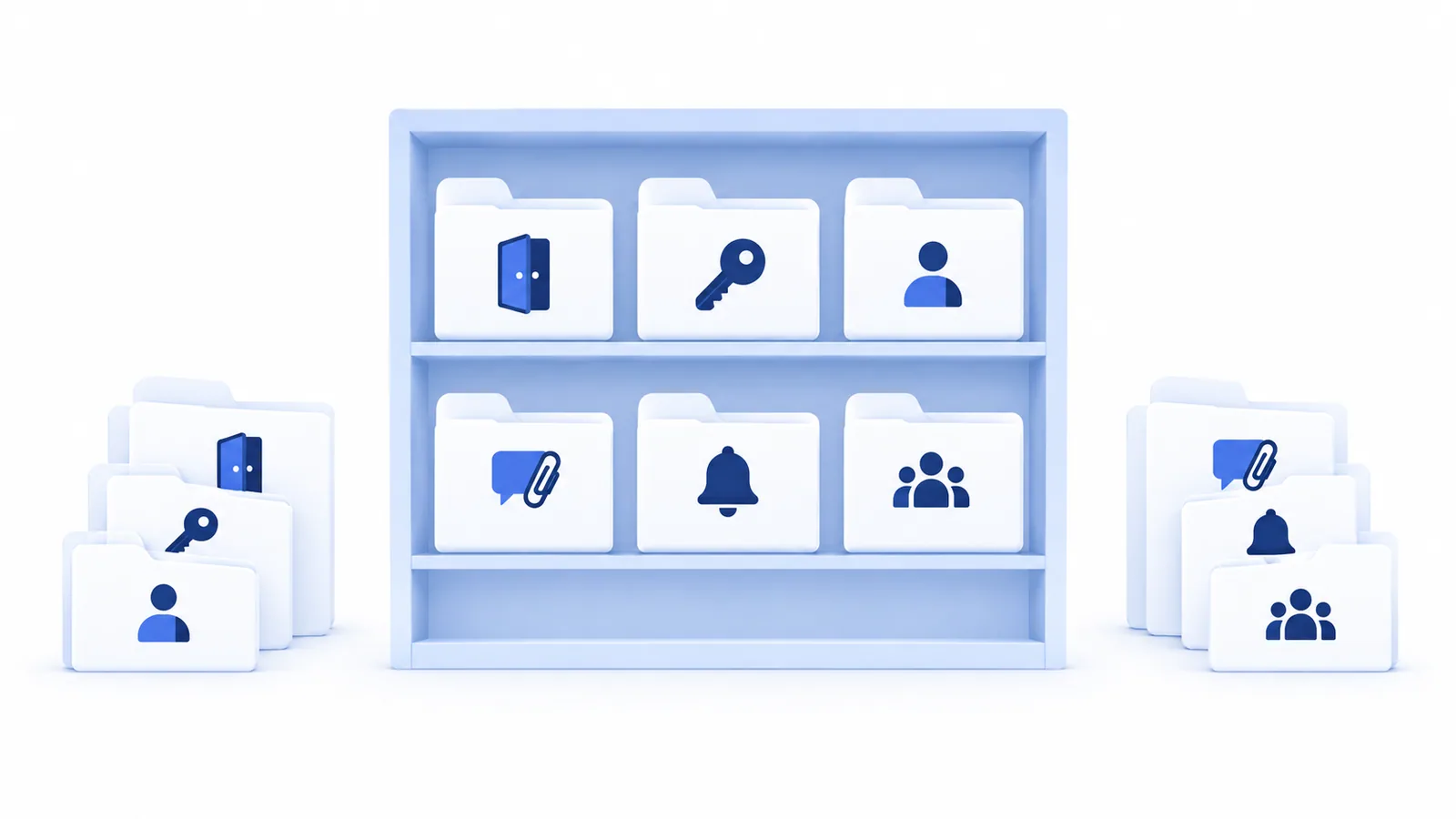
Think of an MCP server as the standardized doorway through which an AI agent can safely interact with a product tool. The server advertises what the tool can do, what data it holds, which actions are allowed, and under which permissions. Instead of opaque API calls scattered across one-off integrations, you get a discoverable catalog of capabilities, typed inputs and outputs, and built-in controls for safety, observability, and human-in-the-loop review.
For product management, an MCP server can wrap your story mapping platform, your roadmap, your feedback system, and your issue tracker. The agent does not just offer advice about your backlog. It can request the story map, analyze it, propose a new slice, open a draft, tag items, and prepare a change for human approval. With StoriesOnBoard at the center, the map remains the system of record while automation does the heavy lifting around it.
- Standardized capability discovery: The agent can list tools, resources, and actions exposed by the server without custom documentation hunts.
- Structured inputs and outputs: Actions declare schemas, constraints, and validation so the agent knows exactly what to send and what to expect back.
- Explicit permissions and scopes: Read, draft, tag, and propose edits are separate capabilities with separate approvals and rate limits.
- Dry-run and preview modes: The agent can simulate changes, render diffs, and seek human confirmation before committing.
- Observability and audit: Every invocation carries context, user, timestamp, and outcome, creating a durable activity log.
- Human-in-the-loop hooks: Actions can require review, mention owners, and route summaries to the right channels for sign-off.
- Error and conflict handling: Version checks and merge strategies prevent silent overwrites and encourage guided resolution.
Put simply, mcp servers let you move from suggestive AI to operative AI while staying inside strong guardrails. They turn vague requests like update the MVP into clear, reviewable instructions like create a draft story under User Step X with labels MVP and Risk, status Proposed.
Why Agentic AI Stalls Without mcp servers
Most teams have already watched AI draft a user story or summarize a research thread. But when it is time to act, a wall appears. The agent cannot authenticate. It is unsure which field carries priority, which labels matter, where to place a story in the map hierarchy, or who must approve a change. It outputs a paragraph of suggestions and hopes a human will translate it to systems.
The result is a cognitive tax and operational drag. The PM has to re-interpret the advice, open the right tool, find the right map, and manually perform a series of edits. That context switching kills velocity and invites inconsistency.
- Data silos: Feedback, support logs, sales notes, and analytics are fragmented. The agent sees pieces, not the whole.
- Ambiguous authority: Without scopes, the agent either cannot act at all or is over-permissioned in risky ways.
- Unstructured tasks: Vague goals produce vague outputs that humans still must structure into story maps and backlogs.
- Latency to action: Every recommendation spawns a checklist of manual steps across multiple tools.
- Audit gaps: Even helpful changes are suspect if no one can trace who did what, when, and why.
- Security concerns: Ad-hoc bots create shadow integrations that bypass governance and review.
By contrast, mcp servers give the agent a safe, universal way to turn analysis into a proposed change in StoriesOnBoard. The story map stays the shared context. The server provides the precise verbs. The PM retains control with previews and approvals. Execution no longer depends on copy-paste energy.
Bring BAs Into the Loop with MCP
Business Analysts amplify this flow by curating taxonomies, evidence links, and review policies. If your team spans PM and BA roles, align on responsibilities for map hygiene and change approvals so agents don’t overstep.
For a step-by-step look at how BAs wire MCP into real toolchains and keep governance lightweight, see our guide to Workflows.
An Agentic PM Workflow Powered by MCP
Imagine a loop where new signals land, the agent contextualizes them, and your story map evolves in measured steps that align with outcomes. This is not a future fantasy. It is a practical workflow you can run today with StoriesOnBoard as your map and backlog hub, connected to your feedback and delivery tools through MCP.
Signals in: Let the agent sense the product environment
- Customer feedback: NPS verbatims, app reviews, and interview notes.
- Support trends: Ticket categories, escalation tags, response time outliers.
- Sales notes: Objections, lost-deal reasons, requested integrations.
- Usage analytics: Drop-off steps, adoption curves, query heatmaps.
- Roadmap updates: New initiatives, shifting timeframes, dependency changes.
- Engineering signals: Issue labels, cycle time, bug clusters.
The agent pulls summaries or recent deltas rather than entire histories. It learns your team’s taxonomy from StoriesOnBoard, including the hierarchy of goals, steps, and stories. That context keeps the analysis grounded in your product narrative.
From signals to structured map updates
- Classification: Map incoming notes to existing goals, steps, and themes.
- Deduplication: Cluster duplicate feedback and update counts, not noise.
- Gap spotting: Highlight user steps with thin or outdated coverage.
- Story drafting: Propose well-formed user stories with acceptance criteria and rationale.
- Tagging: Apply labels such as MVP, Risk, Accessibility, or Customer-Specific.
- Linking: Associate stories with feedback evidence, analytics charts, and related issues.
Because the map is a visual narrative in StoriesOnBoard, the agent preserves structure. It does not dump a paragraph somewhere. It proposes a story under the correct step, with clear testable conditions, and records the signal sources for traceability.
Propose MVP slices and lean experiments
- Slice recommendations: Minimal end-to-end bundles that deliver a single user outcome.
- Experiment framing: Hypotheses, metrics, and success thresholds directly attached to the slice.
- Dependency notes: Upstream and downstream risks surfaced in context.
- Effort signals: Lightweight complexity flags derived from historical patterns.
The agent stays humble by offering choices. It might propose two MVP slices with trade-offs and let the PM pick. Each proposal is packaged as draft changes in the StoriesOnBoard map, ready for review.
Highlight risks, unknowns, and assumptions
- Assumption lists: What must be true for this slice to deliver the desired outcome.
- Unknowns: Missing user data, unclear constraints, or unvalidated pain points.
- Risk tags: Security, performance, privacy, or compliance concerns.
- Spike suggestions: Time-boxed research or technical explorations.
By attaching risks and unknowns directly to stories and steps, the agent makes it easy for PMs and engineers to schedule mitigations. Risks become first-class citizens in the map, not footnotes in a doc no one opens again.
Make Assumption Validation a Habit
Turning risks into learning requires a clear path from hypotheses to evidence and back. Bake validation steps into slices, track confidence, and retire ideas that don’t move the needle.
If you need a lightweight framework to structure tests and keep evidence attached to the map, start with this primer on Assumptions.
Keep initiatives aligned to outcomes
The agent checks your map against measurable goals. If the initiative says reduce onboarding time, it looks for stories that plausibly change that metric, and it flags items that feel orphaned from outcomes. It can summarize alignment on a weekly cadence, showing progress, bottlenecks, and confidence in forecasted impact. When outcomes drift, it suggests pruning or reshaping slices rather than adding features.
Operate inside StoriesOnBoard via MCP actions
- Read map: Retrieve goals, steps, and stories with labels, links, and statuses.
- Create draft story: Suggest a user story under a specific step with acceptance criteria and tags, status Proposed.
- Tag items: Add or remove labels like MVP, Risk, Accessibility, or Customer Request.
- Propose edits: Update titles, descriptions, or acceptance criteria as a change proposal for human review.
- Link evidence: Attach feedback IDs, support tickets, or analytics snapshots to a story.
- Sync with delivery: Map a confirmed story to a GitHub issue and set labels consistently.
- Request review: Mention an owner and include a summary of diffs in a change note for approval.
- Dry run: Produce a preview of all intended changes with rationale before applying anything.
The action surface is small but sharp. Each verb carries validation rules, permissions, and a clear audit trail. The PM stays in control by approving drafts in StoriesOnBoard, where live presence and a modern editor make reviews fast and collaborative.
How StoriesOnBoard Becomes the Source of Truth
StoriesOnBoard organizes product work as a narrative: goals or activities at the top, user steps in the middle, and user stories beneath. This hierarchy helps teams see the end-to-end experience, spot gaps, and slice realistic MVPs. It is already where cross-functional conversations converge during discovery workshops, backlog refinement, and stakeholder reviews.
As the center of your agentic workflow, StoriesOnBoard provides three essentials. First, a shared model of the user journey that grounds every suggestion. Second, a collaborative space where changes are visible, discussable, and reversible. Third, connective tissue to engineering execution via integrations like GitHub, where issues can be created and kept in sync without losing the map as the source of truth.
- Visual clarity: The story map makes scope and gaps instantly legible to everyone.
- Fast collaboration: Live presence and a modern editor keep reviews fluid.
- Built-in AI assistance: Draft stories and acceptance criteria faster, then refine with team context.
- Delivery bridge: Import, create, and sync GitHub issues with labels and filters aligned to your map.
- Consistent taxonomy: Shared labels and statuses keep analytics clean and cross-tool reporting simple.
With MCP in play, the agent works inside this source of truth rather than around it. That means no mystery backlogs, no rogue tasks, and no orphaned initiatives. Everything rolls up to user goals and outcomes your team recognizes.
A Practical Rollout Plan with mcp servers
Agentic PM does not require a big bang. The safest path is iterative, starting with read-only value and graduating to lightweight writes under tight guardrails. Here is a rollout plan you can adapt to your team’s pace.
- Phase 0 – Instrument and align: Confirm StoriesOnBoard is the definitive map. Standardize labels, statuses, and linking conventions across tools. Identify outcome metrics.
- Phase 1 – Read-only insights: Use MCP to let the agent read the map and pull signals. Ask it to summarize deltas, surface gaps, cluster feedback, and list candidate stories without writing anything.
- Phase 2 – Safe writes: Enable draft-only actions in StoriesOnBoard. Allow the agent to create proposed stories, add tags, and suggest edits that require human approval.
- Phase 3 – Workflow approvals: Introduce review policies. Owners must approve drafts. The agent must include evidence links and diffs. Changes auto-expire if not confirmed.
- Phase 4 – Delivery sync: Allow the agent to create issues in GitHub for approved stories with mapped labels and links back to the map.
- Phase 5 – Outcome alignment: Automate weekly summaries that relate map changes to your outcome metrics, flagging drift and stale slices.
Each phase raises the ceiling of autonomy while keeping risk low. If you only get to Phase 2, you will still remove hours of weekly toil from backlog grooming. If you reach Phase 5, you will have a living system where signals flow through to measurable outcomes with minimal manual translation.
Governance and Safety for Trusted Automation
Trust is earned one reversible, well-explained change at a time. Strong governance protects that trust without strangling velocity. MCP gives you the controls. StoriesOnBoard gives you the collaborative surface to exercise them.
- Role-based scopes: Separate read, draft, tag, propose, and sync permissions by role and environment.
- Human approvals: Require a named reviewer for structural changes like adding or moving steps.
- Version checks: All writes must reference current versions and gracefully handle conflicts.
- Rate limits: Cap daily draft creations and tag modifications to prevent flood risks.
- Full audit: Log who requested each action, inputs, outputs, and linked evidence.
- Change summaries: The agent must include rationale, diffs, and impact notes in every proposal.
- Easy rollback: One-click revert for drafts and confirmed changes with automatic notifications.
When people can see the before and after, understand the why, and undo the change, they relax into the rhythm of assisted work. That is the moment agentic PM stops feeling risky and starts feeling like relief.
Measuring Value and Continuous Improvement
Agentic workflows should pay for themselves in saved time, better focus, and clearer outcomes. Make those gains visible early and often. Baseline your current effort and quality, then track change as autonomy grows.
- Time saved: Minutes per week reclaimed from drafting, tagging, and triage.
- Cycle time: Lead time from signal to draft story, and draft to approved backlog item.
- Map health: Coverage of key user steps, density of orphaned stories, and freshness.
- Outcome alignment: Ratio of stories linked to defined success metrics.
- Quality signals: Acceptance criteria completeness and duplicate rate.
- Adoption: Number of teams using draft proposals and approving changes.
Use these metrics as feedback for the agent too. If drafts are often rejected for thin evidence, tighten the proposal schema to require sources. If tags drift, shrink the label set. The map gets better as the loop tightens.
Avoiding Pitfalls
- Too many actions too soon: Start read-only. Earn trust with drafts before enabling sync or structural edits.
- Vague schemas: Define strong story and acceptance criteria templates to avoid mushy outputs.
- Taxonomy sprawl: Keep labels and statuses small and shared across tools.
- Hidden changes: Always surface previews and diffs in StoriesOnBoard for human review.
- Orphaned evidence: Require links from stories to source signals for traceability.
- One-way sync: Ensure delivery issues link back to the map to preserve context.
Most problems come from skipping the simple stuff. Clear templates, small action sets, and visible previews prevent 80 percent of headaches.
Technical Integration Notes
You do not need to boil the ocean to get started. Wrap your most important tools behind MCP servers and progressively add capabilities. Treat every new action like a product feature with definition, validation, and rollout notes.
- Authentication: Use OAuth or service accounts with least-privilege scopes per action type.
- Schema contracts: Publish JSON-like schemas for each action’s inputs and outputs. Include optional fields for rationale and evidence.
- Idempotency: Provide request IDs so retries are safe.
- Webhooks and events: Emit events for created, updated, and approved actions so you can notify reviewers and update dashboards.
- Rate and size limits: Protect your systems and set expectations for the agent.
- Conflict resolution: Return clear errors with suggestions when map versions drift, prompting the agent to rebase.
- Telemetry: Capture latency, success rates, and common failure modes to guide improvements.
StoriesOnBoard’s integration with GitHub is a perfect early win. Once stories are approved, the agent can create labeled issues and maintain links. Engineering keeps its flow in GitHub. Product keeps the narrative in the map. Everyone speaks the same story, with updates syncing both ways.
What Changes for the PM and the Team
Your day gets lighter and sharper. Instead of translating raw signals into backlog structure, you review structured proposals with evidence. Instead of hunting for gaps, you confirm them with fresh analysis. Instead of writing everything from scratch, you edit strong drafts in a collaborative editor. Your attention shifts from clerical work to judgment calls, sequencing, and stakeholder alignment.
For design and engineering partners, clarity improves. The story map stays current. Acceptance criteria are more consistent. Risks and unknowns are tracked in line. Delivery issues reflect the same labels and priorities. Meetings move faster because the artifacts are richer and cleaner.
Summary: From Advice to Action with mcp servers
Agentic AI is only as useful as its ability to operate your product systems safely. That is what mcp servers unlock. They expose clear, permissioned actions that let an agent read your context, propose structured changes, and, with your approval, execute them. StoriesOnBoard makes this practical by serving as the visual, collaborative source of truth for your product narrative and by bridging to engineering tools like GitHub.
The path forward is simple. Start read-only. Let the agent analyze your map, surface gaps, and cluster signals. Then enable safe writes in StoriesOnBoard for drafting, tagging, and proposing edits with previews and evidence. Add governance that earns trust through transparency, reversibility, and clear ownership. Measure the time you save and the quality you gain. Grow from there.
When advice becomes action inside the tools you already use, backlog work stops being a chore and starts being a lever. Your team moves from scattered inputs to coherent outcomes, faster. That is the promise of agentic PM done right, and it is available today.
MCP + StoriesOnBoard: Product Team FAQ
What is an MCP server?
An MCP server is a standardized doorway that lets an AI agent safely interact with your product tools. It advertises capabilities, enforces permissions, validates inputs/outputs, and records an auditable trail for every action.
How is MCP different from a typical API integration?
Instead of bespoke endpoints and scattered docs, MCP offers discoverable capabilities with typed schemas and constraints. It adds dry-run previews, human-in-the-loop hooks, and observability so advice turns into safe, reviewable actions.
Where should we start?
Begin read-only to build trust: let the agent summarize deltas, spot gaps, and cluster feedback. Then enable draft-only writes (create drafts, tag, propose edits) with human approvals before moving to delivery sync.
What can the agent do in StoriesOnBoard via MCP?
It can read the map, create draft stories with acceptance criteria, tag items, propose edits, and link evidence. It can request reviews, show diffs in dry-run mode, and, once approved, sync confirmed stories to GitHub.
How do we keep it safe and compliant?
Use role-based scopes, mandatory reviews for structural changes, and version checks to prevent conflicts. Apply rate limits, maintain full audit logs with rationale and evidence, and enable one-click rollback.
What role do Business Analysts play?
BAs curate taxonomies, evidence links, and review policies so agents classify and tag consistently. They align governance with PMs, ensuring agents stay within scope while keeping workflows lightweight.
How do we measure value?
Track time saved, cycle time from signal to approved story, map health, outcome alignment, and acceptance-criteria quality. Use these metrics to refine schemas and permissions as autonomy increases.
How does this affect our GitHub workflow?
StoriesOnBoard remains the source of truth, while approved stories create linked GitHub issues with consistent labels. Engineering stays in GitHub; context and outcomes stay on the map with two-way links.
What pitfalls should we avoid?
Don’t enable too many actions too soon or ship vague schemas and sprawling taxonomies. Always show previews and diffs, require evidence links, and avoid one-way sync that severs context.
What if the agent makes a mistake?
Dry-runs and required approvals catch most issues before they land. Every change is logged and reversible, and rate limits reduce blast radius while you tune policies.